What engineered flooring means to the environment
Is Engineered Wood Flooring Eco-Friendly?
If you’re looking to make more environmentally conscious choices at home, flooring is a great place to start. Engineered wood flooring is often seen as a more sustainable alternative to solid wood, but what actually makes it eco-friendly?
Why is engineered wood flooring better for the environment?
Uses Less Natural Wood
One of the biggest environmental benefits of engineered wood flooring is how efficiently it uses raw materials.
Unlike solid wood flooring, which is made from a single piece of timber, engineered boards are constructed in layers. The top layer is real hardwood, while the core is typically made from plywood or high-density fibreboard.
This layered design means that far less solid wood is needed to achieve the same natural finish. In fact, a single log can produce significantly more engineered boards than solid planks, helping to reduce pressure on forests.
Many engineered wood flooring products come from responsibly managed sources. Brands such as Kahrs are known for their focus on sustainable production and long-term quality.
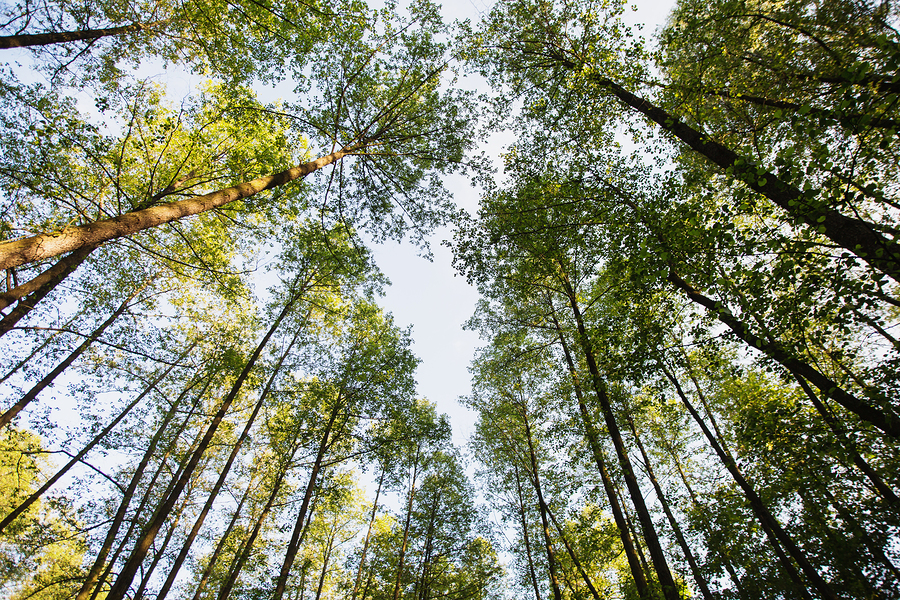
Engineered wood flooring is made from renewable resources
Wood is a natural and renewable resource, but only when it’s sourced responsibly.
Many engineered wood flooring products come from sustainably managed forests, where trees are replanted and ecosystems are protected. To make sure you’re choosing an eco-friendly option, it’s worth looking for recognised certifications such as FSC (Forest Stewardship Council) or PEFC.
These certifications show that the wood has been harvested in a way that supports long-term environmental balance, as well as ethical forestry practices.
How else can flooring be eco-friendly?
Engineered flooring isn’t just efficient in how it uses wood, it’s also designed to minimise waste during production.
By using multiple layers and engineered construction, manufacturers are able to make better use of each piece of timber. This reduces offcuts and helps maximise the yield from every tree, contributing to a lower overall environmental footprint.